How compression fabric actually works on the body
The mechanics behind power-mesh, compression jersey, and why fabric choice matters for your commission
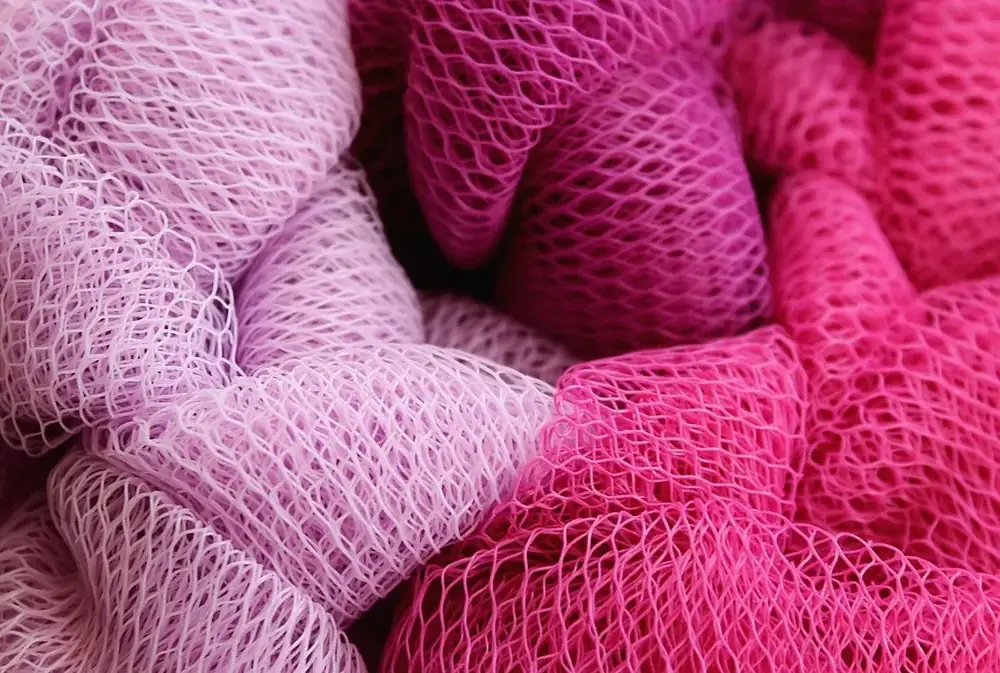
Compression fabric is not simply tight fabric. The way it works is more specific than that, and understanding the mechanics helps explain why fabric choice is one of the first conversations at a fitting appointment rather than an afterthought.
Stretch resistance, not just tightness
Compression in a garment comes from the resistance of the fabric to being stretched. When the fabric is cut and sewn to a smaller dimension than the body it covers, it exerts a consistent inward pressure as it tries to return to its resting state. The amount of compression depends on the fabric's stretch percentage and recovery rate. How far it stretches and how firmly it returns.
Power-mesh achieves this through an open-weave construction with a firm four-way stretch. Double-layered compression jersey achieves it through density: two layers of a medium-stretch jersey laminated or sewn together, each contributing to the total compression force.
Breathability and heat
One of the practical trade-offs in compression fabric is between compression level and breathability. Open-weave fabrics like power-mesh allow air to circulate through the weave, which keeps the skin cooler during extended wear. Dense fabrics like compression jersey trap more heat, which can be uncomfortable during a long day in a warm environment.
At Mint Space, the fabric choice for each commission is made in conversation with the client, taking into account how long the piece will be worn and the likely environment. For a bodysuit worn to a heated indoor event for four or five hours, compression jersey is usually fine. For a piece worn through a full working day, power-mesh is often the more comfortable option.
How the fabric is sourced
The compression fabrics used at the studio are Japanese-woven, from regions with long histories of producing technical textiles for the garment industry. The selection criteria are compression weight, surface finish, and how the fabric behaves after repeated washing. A garment that loses its compression after a few months is not a useful garment.
The studio keeps samples of each base fabric to hand. At the first fitting appointment, clients are invited to handle each one and hold it against the skin before a decision is made. The description of a fabric on a page like this one can only go so far.
The fabric conversation is one of the things that makes an in-person fitting necessary. If you have questions about which material might suit your commission, get in touch to arrange a first appointment.